Major Advising Page: Classical & Ancient Near Eastern Studies
Learning about the ancient world through lectures and readings is just the first step in discovering its vast history and culture. To truly comprehend the art and architecture – the layout of historic cities and regions – and gain an understanding of the significant events and their impact on modern life, visiting is the next. Study abroad provides students the opportunity to experience and explore what textbooks and professors can only discuss.
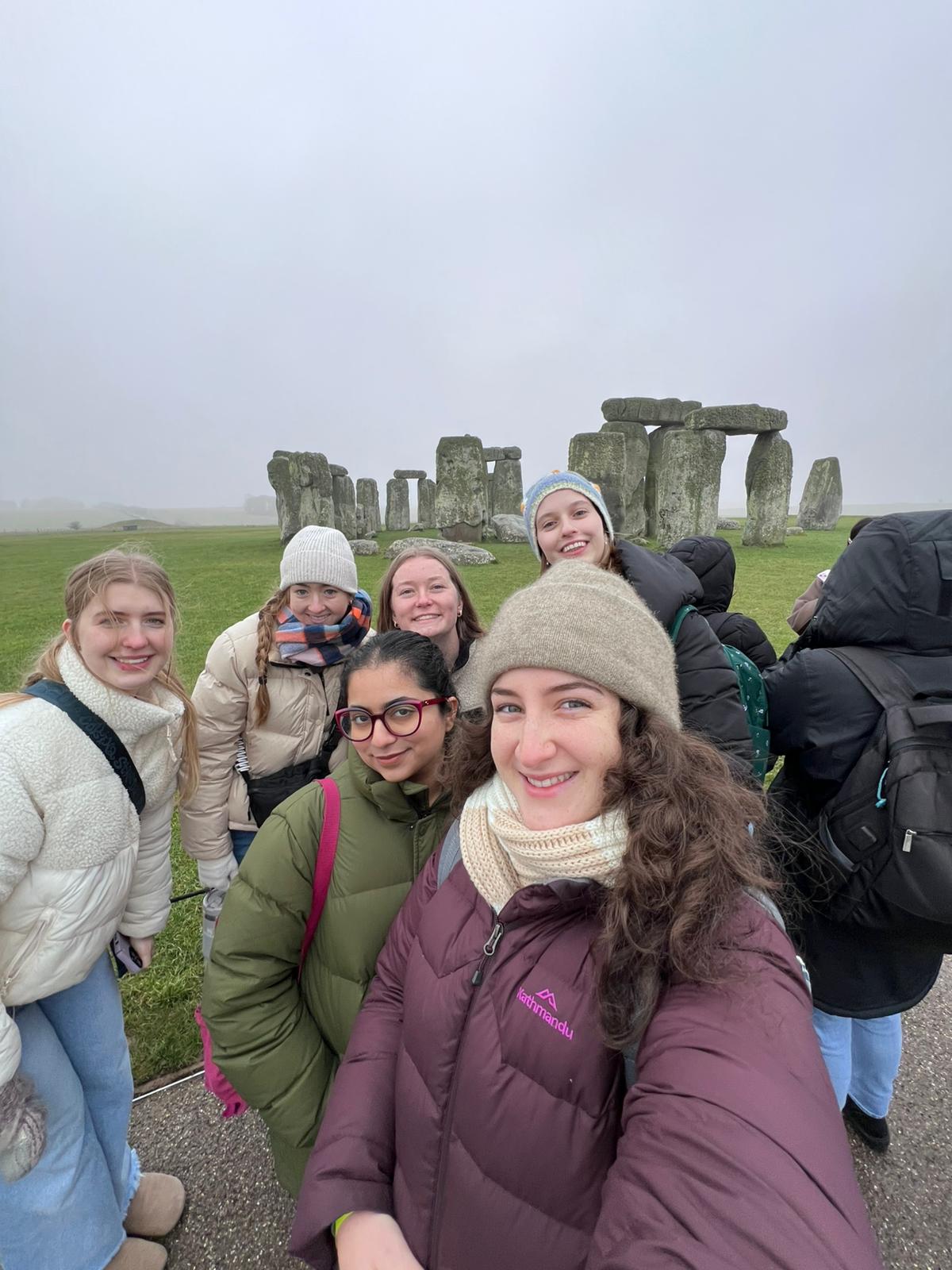
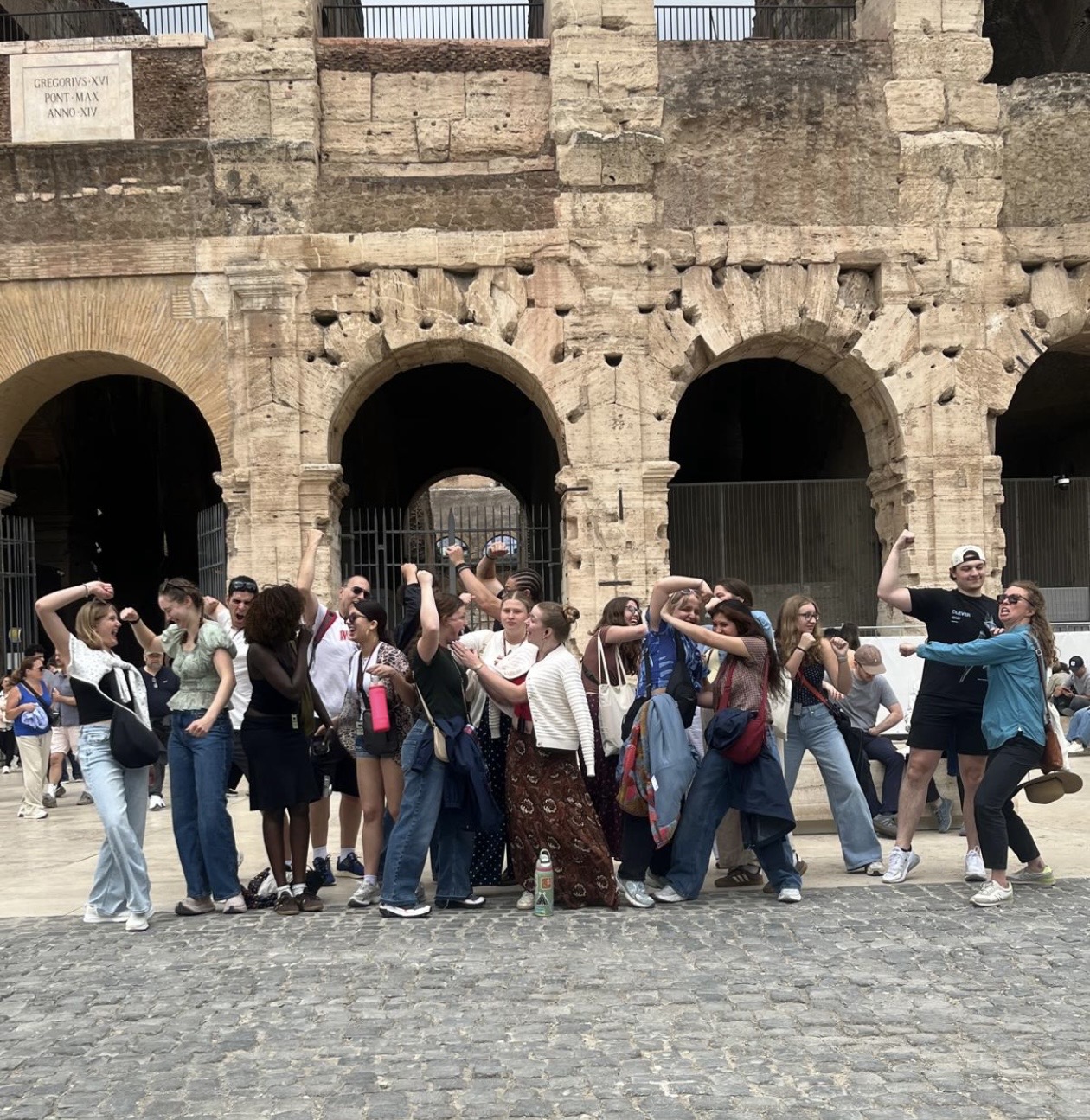
Because the Classical and Ancient Near Eastern Studies (CANES) Department believes so strongly in study abroad, we have created two faculty-led programs: UW Classics in Greece and UW Classics in Italy. These three-week programs provide students with guided exploration of some of the most famous sites of the ancient world.
In addition to our summer study, there are a number of semester and year-long study abroad programs through International Academic Programs (IAP). No matter when studying abroad may fit into your academic plans, there is going to be a program that meets your needs. Best of all, we offer two scholarships that can help offset the cost of studying abroad, and they are available to CANES majors only. Learn more about those here.
Course considerations
The best way to ensure courses students choose will transfer back as expected is to check ahead of time, before a student leaves Madison. Scroll down to the “Academics” tab found at the bottom of each program page and refer to the list of pre-approved courses and course information provided by the site itself. Using this information in consultation with an advisor is the best way to make sure course choices will accomplish a student’s academic goals.
In general, remember that this may be the sole opportunity a student gets to study at this particular institution. With that in mind, choose a variety of courses that appeal not only to study in the major or certificate, but also address interests that further expand knowledge of the country and culture.
Map your experience as a
classical and ancient near eastern studies student
Prospective students
While there are no prerequisites for either UW Classics study abroad programs or declaration of a CANES major or certificate is not required, it is particularly helpful for students interested in these locations to have taken one or two relevant history or culture courses. Beginning with some historical context and background in the ancient world will significantly enhance a student’s experience and add to the breadth and depth of knowledge gained.
Participating students earn 3 credits and can complete the Classical Studies certificate by taking just 4 more courses for a total of 15 credits.
Students interested in beginning or continuing ancient Greek or Latin can refer to the programs listed below for specific locations offering these languages. Those who expect to continue language study upon return to campus are encouraged to check with the CANES advisor regarding the coursework to be sure they’re ready to continue in sequence. The Classical Humanities major requires two semesters of language, along with 8 literature/culture courses. A semester-long program may provide students with the wonderful opportunity to work toward completion of this major.
Freshman year
At this point, most students are just beginning to explore their interest areas and find out where their skills and talents are best utilized. Anyone having an interest in ancient languages and cultures is encouraged to take courses in relevant fields; consider art history, classics, Greek, history, integrated liberal studies, Latin, philosophy, and political science. The more familiar students are with the ancient world, the more prepared they will be to begin considering how an experience abroad fits into their academic plans.
IAP hosts a number of open advising events and information sessions every semester, so make sure to attend some of these events to begin exploring options, gathering information, and finding resources.
Sophomore year
By this point, many students are more comfortable identifying which majors or certificates fit their goals best. They are also developing a better sense of what it means to be fully engaged in a particular area of study. Students will want to consider specific locations, length of programs, language of instruction, size of the college or university, academic rigor, course offerings, internship opportunities, and housing options. All of these factors contribute to determining the best fit for students’ educational expectations. Students will also need to spend time with their academic advisors, making certain the programs they are most interested in offer courses that keep them on track for completing their degree in four years.
Junior year
The third year of college is the most popular time to go abroad; however, we want to encourage students to keep their options open. It is especially important that the timeframe and program selected fit the academic goals and plans for each specific student, so students have the best experience possible.
Students accepted to programs at any point in their academic careers are encouraged to check with advisors once they reach their sites and register for classes. We want to ensure that any changes or additions to course schedules keep the student on track to graduate. If students majoring in Classical Humanities are considering studying abroad during their senior year, they must plan to take the capstone course in the spring semester of their junior year.
Senior year
The final year of a student’s college career can be an exciting time to go abroad. Most students have a very well-developed sense of themselves, their interest areas, strengths, and future career goals. Electing to go abroad at this point can solidify plans as well as allow for special experiences such as internships that play a part in career exploration. As an intern nearing graduation, students can be appealing candidates to hire. These experiences also lead to opportunities for networking and informational interviews.
If students majoring in Classical Humanities are considering studying abroad during their senior year, they must plan to take the capstone course in the spring semester of their junior year.

Ask questions
- What classes must I complete for my degree (breadth/depth, major requirements, etc.)?
- Do I need to be on UW–Madison’s campus for any courses in my major?
- How many electives do I have outside of my major?
- For Classical Humanities majors, how will the capstone course fit into my plans?
- What classes can I take abroad?
- How and when do I select courses for my program?
- When will I know course equivalents for my program?
- What is the class structure like abroad?
- What skills do careers related to my major require, and how might participating in a particular program help me gain those skills?
- When would be the best time to participate in a program based on my career goals?
- How will participating in a study abroad, study away, or international internship make me stand out?
- Why do I want to study abroad?
- How long do I want to study abroad for – a few weeks, a semester, a year?
- How does studying abroad fit into my academic, personal, and/or professional goals?
- What career skills or proficiencies will I strive to acquire or enhance on my program?
Discover programs that are right for you
The following are programs that may be of interest to you! Durations and courses vary and may count toward electives or degree requirements. If you do not have specific requirements, there’s more flexibility in program type and location.
These opportunities are not an exhaustive list of all programs.
In this section
Semester and academic year programs
Australia
Macquarie University
(Offers Latin and Ancient Greek)
England
- University of Bristol
(Offers Latin and Ancient Greek) - University of Leeds
(Offers Latin and Ancient Greek) - University of Manchester
(Offers Latin and Ancient Greek)
Ireland
IFSA University of Galway
(Offers Latin and Ancient Greek)
Israel
- Hebrew University of Jerusalem (semester or summer)
- Tel Aviv University (semester or summer)
- University of Haifa (semester or summer)
New Zealand
Wales
Short-term programs
Greece
UW Classics in Greece (summer)
Israel
- Hebrew University of Jerusalem (semester or summer)
- Tel Aviv University (semester or summer)
- University of Haifa (semester or summer
Italy
UW Classics in Italy (summer)
International Internships
International internships allow you to apply your academic skills to the real world and gain valuable professional experience abroad while earning UW–Madison course credit.
As you consider your academic and professional goals for studying abroad, explore the different internship options, including UW Signature internships, internship-focused programs, part-time internships, or applying for credit for an external internship.
Check with your academic advisor to see if earning credit for your internship abroad can fulfill a major or certificate requirement.
Hear from students in your major
Explore student blogs and reflections to see how your peers have connected international experiences to their studies. Discover real stories about the skills, challenges, and professional insights gained through our programs.
Photo credit: Kayla Rhodes (Ireland)

Want more information?
Dive deeper into how courses and credits work on our programs, or connect with an advisor to find the best fit for your goals.
Last updated: