Major Advising Page: Agroecology
Agroecology students are encouraged to participate in study abroad experiences. Students can pursue many avenues, such as learning about sustainable and local food systems in France; participating in field visits and classroom learning in Uganda, or field trips to local farms and food processing facilities in Japan.
International short-term and semester-long programs are available. Students may incorporate a study abroad program within their 4-year plan and are encouraged to meet with their agroecology advisor and a study abroad advisor to get started exploring programs that best fit their academic and personal goals.
Course considerations
Several requirements for the agroecology major can be completed abroad. Elective credits can often be completed abroad.
Introductory math and science courses, core classes, and the capstone should be completed at UW–Madison. Students should meet with their agroecology advisor to discuss the possibilities of fulfilling requirements while studying abroad.
Map your experience as an
agroecology student
To discuss how studying abroad fits within your career or professional goals in relation to the completion of the plant pathology major, please visit the CALS Career Services webpage to schedule an appointment with a CALS Career Advisor.
To gain background information about study abroad and the various programs available, attend the Study Abroad Fair on campus, visit the program search database on the UW Study Abroad website, and/or meet with CALS Study Abroad Advisors.
Freshman year
During freshman year, agroecology students typically take Agroecol 103 – Agroecology: An Introduction to the Ecology of Food and Agriculture in the fall and many general education requirements, including intro math, chemistry, and biology courses. At this stage, students may explore short-term programs for winter intersession or summer terms, and research fall and spring semester programs that interest them.
Sophomore year
Sophomore year is a great time to research programs and talk about options with your advisor. If you have completed your intro math and science coursework early, this might be a good year to study abroad during a fall or spring semester. Otherwise, a short-term study abroad experience over winter or spring break or studying abroad over summer are great options. For students considering summer, it is important to be aware that summer is a popular time for internships and fieldwork. If you study abroad over the summer during your sophomore year, we recommend focusing on internships/fieldwork the following year.
Junior year
Junior year is a popular time to study abroad. By junior year, you will have completed enough coursework to allow you to take upper-level and/or specific coursework abroad that will enhance your learning abroad. If you would like to study abroad during the fall or spring semester, we recommend you meet with your advisor to discuss course planning.
Senior year
Senior year is when students need to complete their capstone requirement and finish taking required courses. Studying abroad may be an option with careful planning with your Agroecology advisor.

Ask questions
- When would be the best time to go abroad, given my goals and remaining course requirements?
- What are some good programs that align with my interests?
- What classes must I complete for my agroecology major (breadth/depth, major requirements, etc.)?
- What requirements do I have left, and are there some that are a good fit for taking abroad?
- Are there courses that I should plan on taking here at UW–Madison, and when are these typically offered?
- What programs offer coursework that fits well with my major and my personal interests?
- What are my financial aid and scholarship options for funding my studies?
- What is the application and notification timeline for programs and scholarships?
- How do I select courses for my program?
- How does the course equivalency process work?
- What is the class structure like abroad?
- What skills do careers related to my major require, and how might participating in a particular program help me gain those skills?
- When would be the best time to participate in a program based on my career goals?
- How will participating in a study abroad, study away, or international internship make me stand out?
- Why do I want to study abroad?
- How long do I want to study abroad for — a few weeks, a semester, a year?
- How does studying abroad fit into my academic, personal, and/or professional goals?
- What career skills or proficiencies will I strive to acquire or enhance on my program?
Discover programs that are right for you
Studying abroad, regardless of the program, offers myriad benefits. When considering programs, strive to identify those that will expose you to subjects, places, cultures, and languages you find appealing, but will also help you complete your degree. You will likely find that many programs all over the world fit your goals and interests.
The following are programs that may be of interest to you! Durations and courses vary and may count toward electives or degree requirements. If you do not have specific requirements, there’s more flexibility in program type and location.
These opportunities are not an exhaustive list of all programs.
In this section
Semester and academic year programs
Czech Republic
Czech University of Life Sciences
CZU offers courses related to agroecology, agroforestry, and sustainability.
Germany
University of Hohenheim
Hohenheim offers Organic Agriculture & Food Systems and Development-Oriented Agricultural Sciences tracks during the spring semester
Greece
Perrotis College (semester or summer)
Perrotis offers courses related to Sustainable Agriculture & Management
Ireland
University College Dublin Agricultural and Life Sciences
UCD offers an Agriculture & Food Science track during the fall and spring semesters that includes courses related to Agricultural Systems Technology, Animal & Crop Production, Food & Agribusiness Management; & Agri-Environmental Sciences
Netherlands
New Zealand
Sweden
Swedish University of Agricultural Sciences
SLU offers courses related to agroecology, agroforestry, and sustainability.
United States
UW Wisconsin in Washington, DC Internship Program (semester or summer)
Students can participate in internships with environmentally focused organizations.
Short-term programs
Costa Rica
France
Greece
Perrotis College (semester or summer)
Perrotis offers courses related to Sustainable Agriculture & Management
Italy
Japan
Uganda
UW Agriculture, Health & Nutrition in Uganda (winter intersession)
United States
UW Wisconsin in Washington, DC Internship Program (semester or summer)
Students can participate in internships with environmentally focused organizations.
International Internships
International internships allow you to apply your academic skills to the real world and gain valuable professional experience abroad while earning UW–Madison course credit.
As you consider your academic and professional goals for studying abroad, explore the different internship options, including UW Signature internships, internship-focused programs, part-time internships, or applying for credit for an external internship.
Check with your academic advisor to see if earning credit for your internship abroad can fulfill a major or certificate requirement.
Internships that might be of interest to you include:
Hear from students in your major
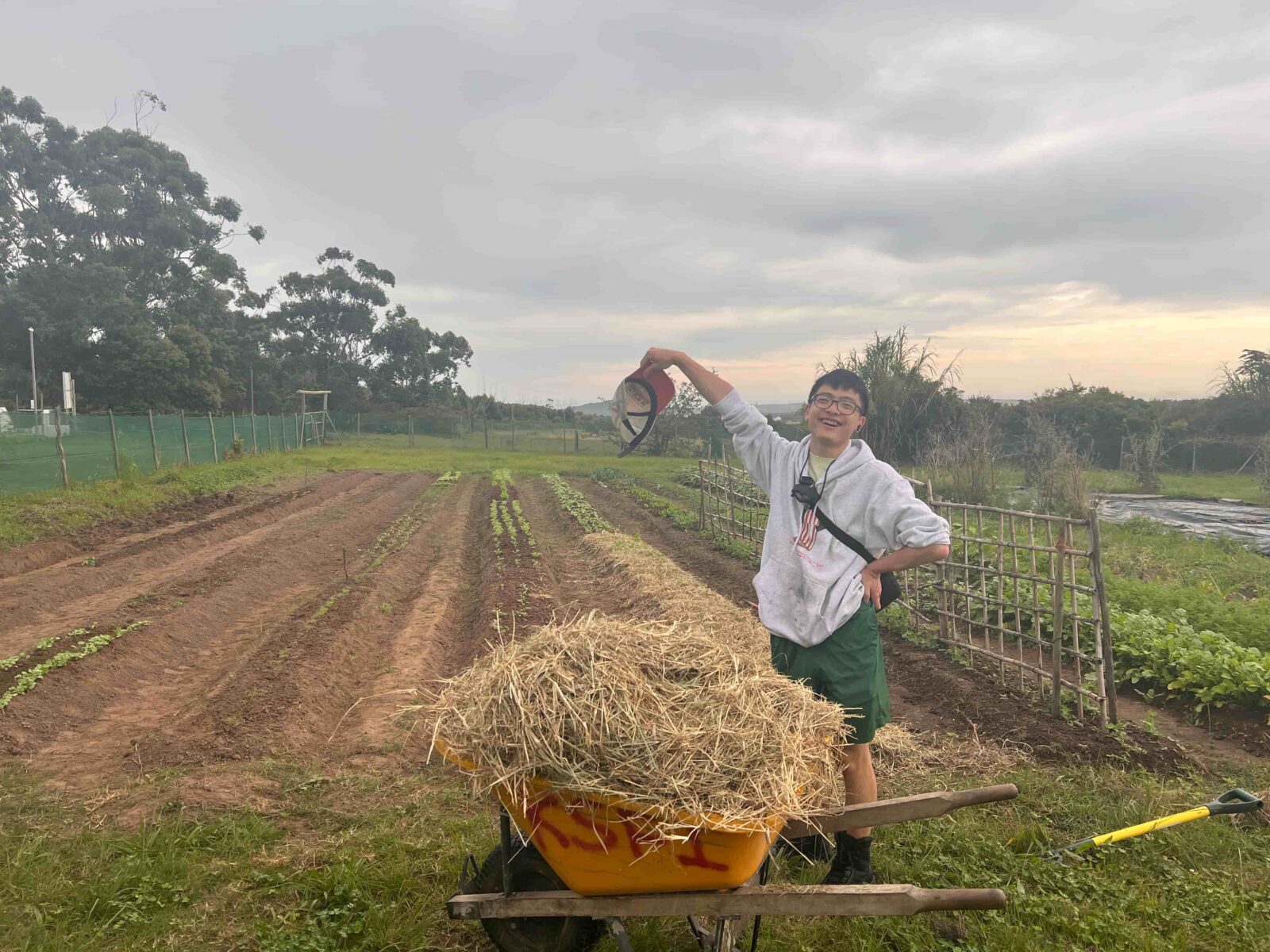
Explore student blogs and reflections to see how your peers have connected international experiences to their studies. Discover real stories about the skills, challenges, and professional insights gained through our programs.
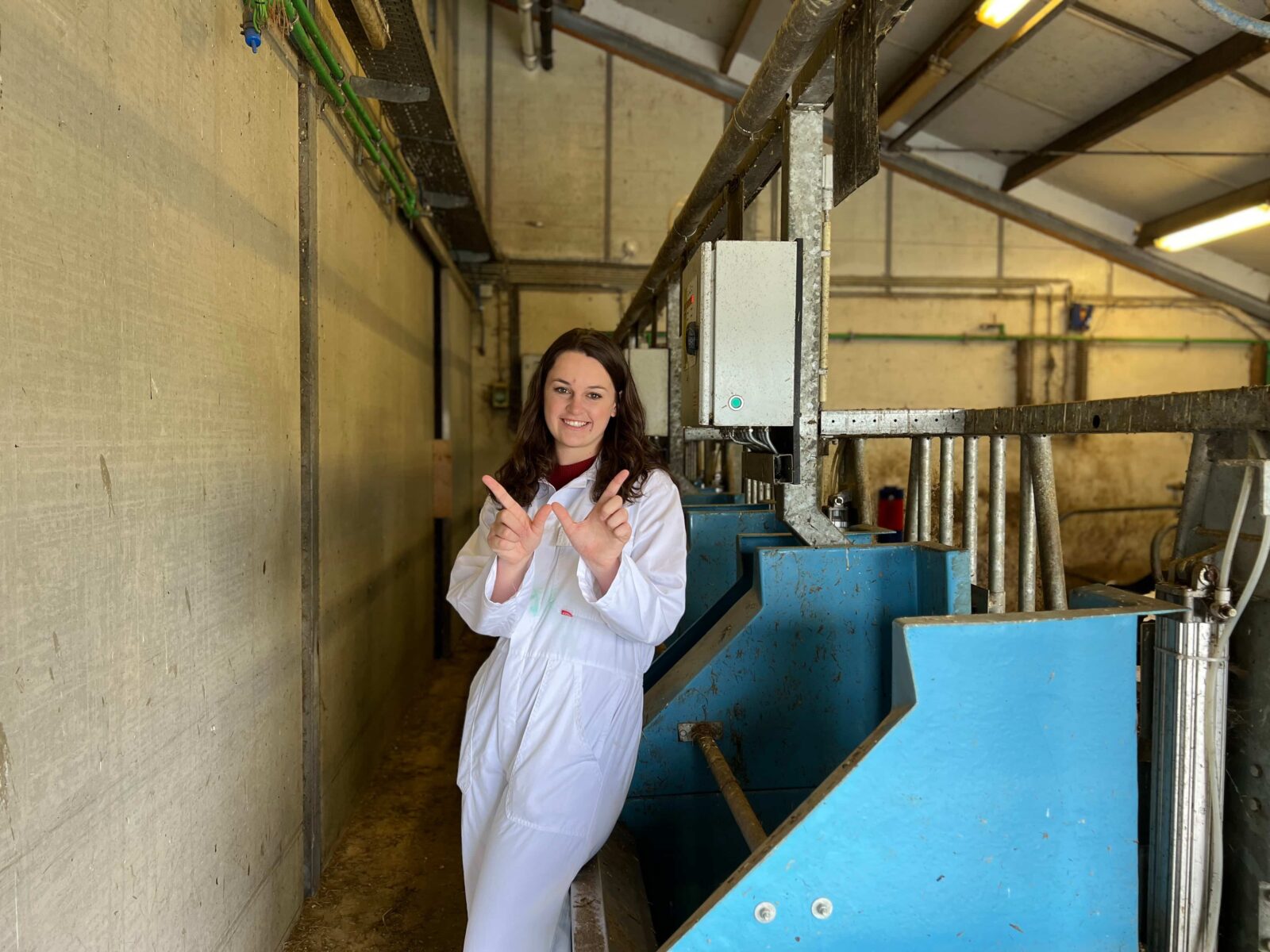
Photo credit: Elaina Borgschatz (Uganda)

Want more information?
Dive deeper into how courses and credits work on our programs, or connect with an advisor to find the best fit for your goals.
Last updated: