Major Advising Page: Animal and Veterinary Biosciences
The Department of Animal and Dairy Sciences strongly supports animal and veterinary biosciences students gaining international experience to complement their UW–Madison program and open doors to future career paths. A study abroad experience can provide a unique opportunity to gain a global perspective on animal health and production, animal welfare and ethics, animal nutrition and breeding strategies, and animal research aspects, while building regional knowledge and developing intercultural communication skills and networks.
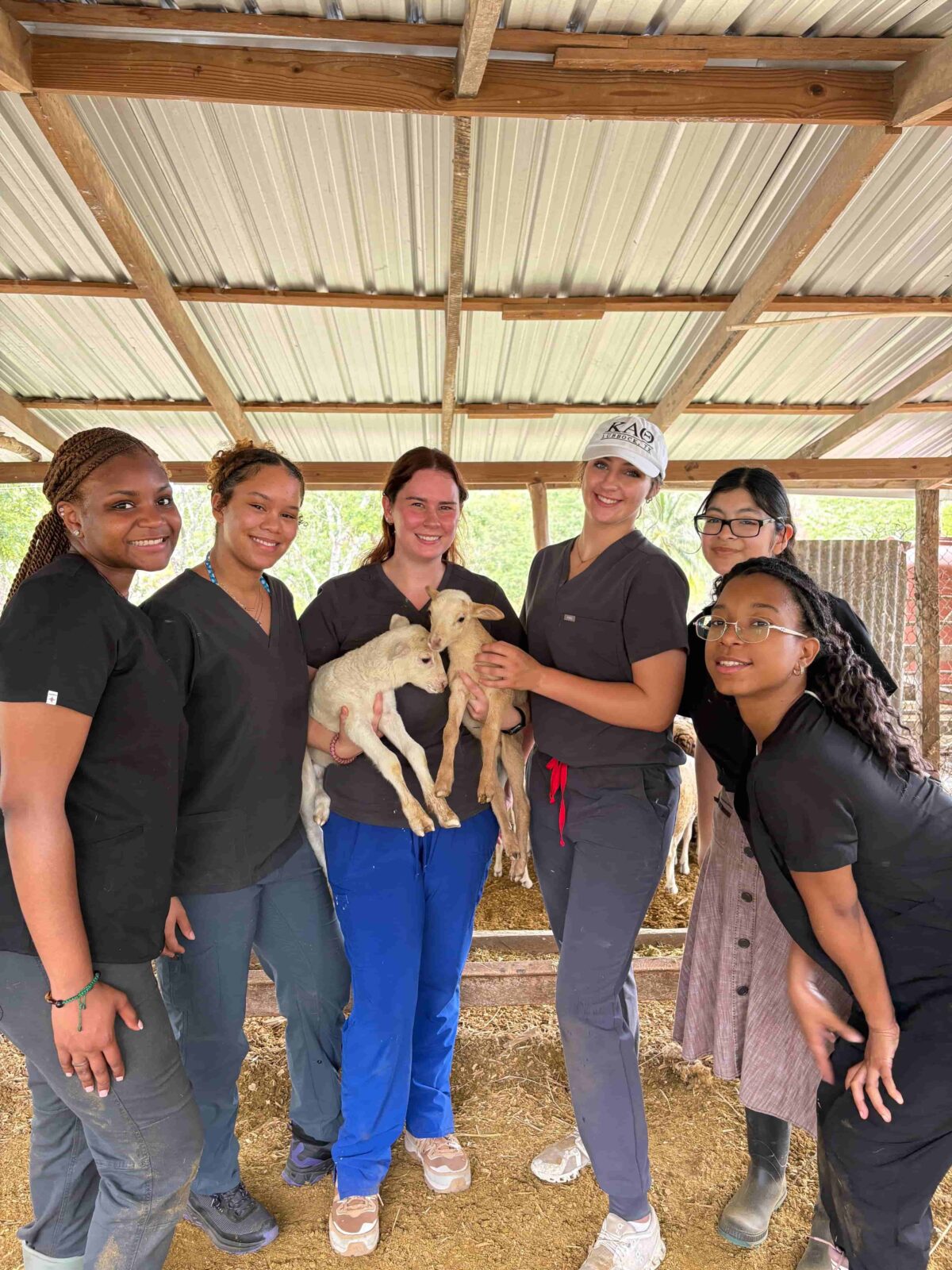
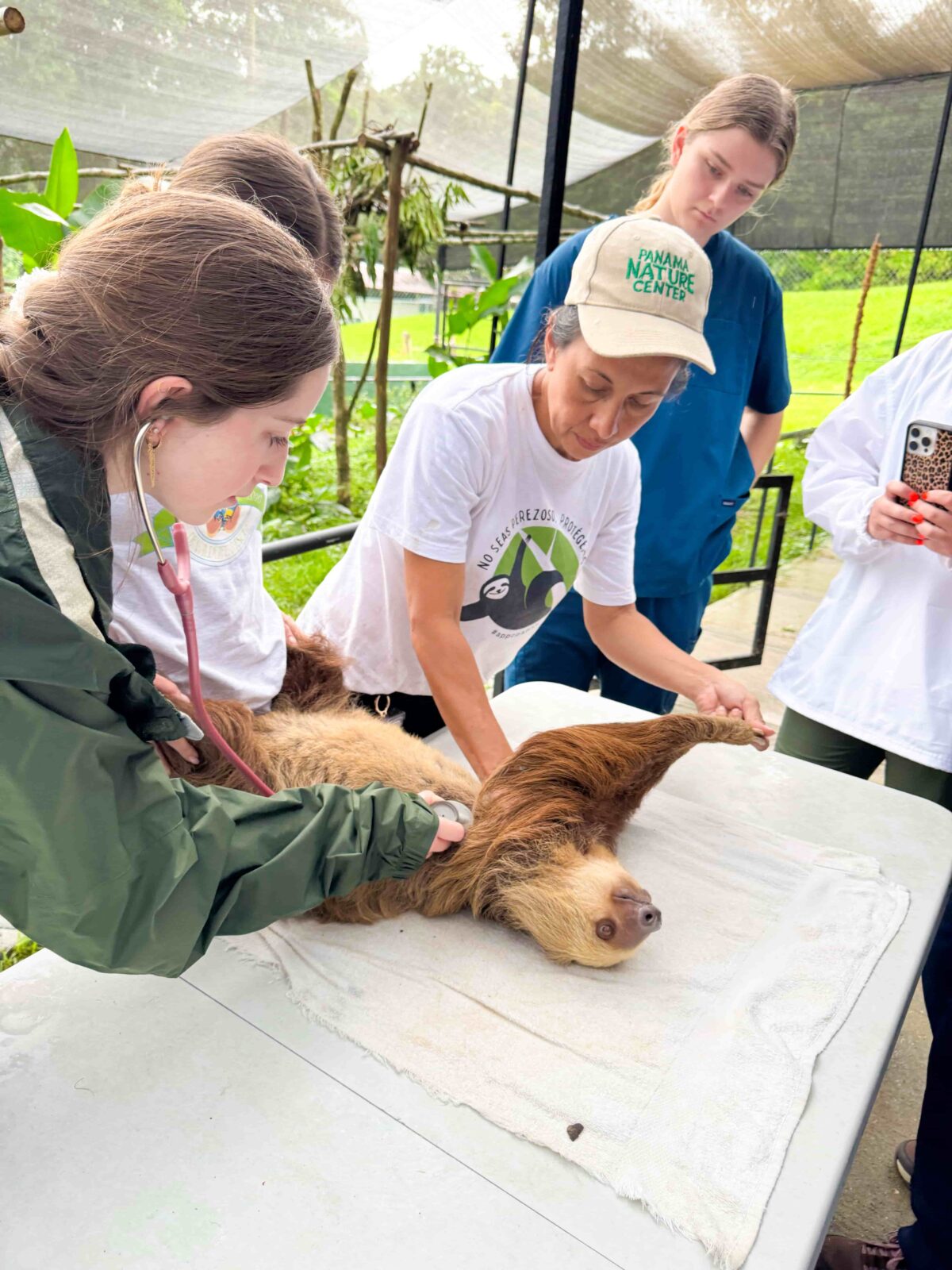
Whether studying animal nutrition and equine reproduction in Ireland, developing skills in handling large animals in Belize, learning how sloths are rehabilitated in Panama, or performing research on dairy herds in Greece, students can incorporate short-term and semester-long programs that specifically match their interests and career goals. Students desiring an international experience should have the ability to incorporate a study abroad program within their 4-year plan with preparation and scheduling. Students considering veterinary school can benefit from a unique experience, including study abroad, with careful planning. Department study abroad funding is available to provide financial assistance to students.
Course considerations
Animal and veterinary biosciences majors are encouraged to build a study abroad into their academic plan and discuss that plan with their major advisor. Depending on your academic plan and degree progress, you may be able to take a mix of major requirements and electives while abroad.
Students interested in completing animal and veterinary biosciences requirements abroad can select a program that offers coursework related to animal and veterinary biosciences. This coursework may include specific animal sciences courses or other major requirements, such as statistics and genetics. There are highly respected study abroad programs that have pre-approved courses that are equivalent to UW–Madison courses, meeting animal and veterinary biosciences requirements. You are encouraged to consider other programs that may meet any alternative study abroad goals as well. Several animal sciences courses are offered once per year at UW–Madison, so you are encouraged to work closely with the animal and veterinary biosciences advisor to ensure requirements can be met if you plan a semester abroad. Completing core science and prerequisite courses is also important. Taking summer courses may help you fit in a semester-long abroad experience without taking heavy workloads at UW–Madison. Taking pre-vet courses during the summer term can also be advantageous. Students considering professional schools should complete prerequisite coursework at UW or seek additional guidance to address the application of coursework from professional school advisors.
The most common requirements that may be fulfilled through a study abroad program are:
- General education requirements (e.g., Humanities, Social Sciences)
- CALS International Comparisons Requirement (*not automatically fulfilled by studying abroad)
- Animal and veterinary biosciences core requirements
- Animal and veterinary biosciences biology depth requirements
- Most students take a mixture of requirements and electives during a semester abroad experience.
Map your experience as an
animal and veterinary biosciences student
Animal and veterinary biosciences students can include a study abroad experience at any time during their program. Short-term experiences during summer, winter intersession, or spring break can fit well earlier into your curriculum, but students may benefit from a longer experience during fall, spring, or summer of their junior or senior year. When selecting semester-long programs, the program you select will likely determine when the best time will be for you to go abroad.
When considering study abroad in combination with pre-vet goals, students may need to extend their UW program or plan a gap year prior to vet school. Students with a very strong international interest can also consider completing a short-term experience as a freshman or sophomore, followed by a semester abroad.
To discuss how studying abroad fits within your career or professional goals in relation to the completion of the plant pathology major, please visit the CALS Career Services webpage to schedule an appointment with a CALS Career Advisor.
To gain background information about study abroad and the various programs available, attend the Study Abroad Fair on campus, visit the program search database on the UW Study Abroad website, and/or meet with CALS Study Abroad Advisors.
Steps to get you started:
- Explore and research available programs that interest you
- Meet with the Animal and Dairy Science advisor to review your 4-year plan, the benefits of the study abroad program, and special considerations that come with studying abroad
- Communicate any questions to the study abroad advisor assigned to the program(s)
- Generate a list of pros and cons for any programs you are strongly considering
Freshman year
During freshman year, animal and veterinary biosciences majors will focus efforts on completing general education and college requirements, introductory major coursework, and core science coursework. Explore short-term programs for winter or summer terms, and research semester programs that interest you.
Sophomore year
During sophomore year, animal and veterinary biosciences majors will continue moving forward with required Animal Sciences and pre-vet courses, general education requirements, and college coursework. Students considering professional schools should include additional core science courses to meet prerequisite needs. Winter intersession, spring break, or the summer after sophomore year are also good times to consider studying abroad. Sophomore year is a great time to identify which semester abroad program you want to pursue for junior or senior year.
Junior year
Junior year is the most popular time for animal and veterinary biosciences students to complete a semester abroad. By junior year, you will have completed enough major coursework to allow you to take upper-level and/or specific coursework abroad that will enhance your learning abroad. The fall or spring semester may work well, depending on which program you select. The summer after junior year also provides an excellent opportunity to study abroad that fits in between semesters at UW–Madison. Professional school interests and required coursework may also dictate the best time to study abroad; for some students, the spring of junior year or even senior year may be a better option.
Senior year
You are encouraged to study abroad the summer before senior year. There may still be time to study abroad during your senior year, but this may present certain challenges. For example, it is important to remain at UW–Madison for the fall semester to take the required senior capstone. Students considering studying abroad in their final spring semester should work closely with their major advisor to understand how this may impact graduation and post-graduation plans. Pre-vet students may want to consider adding time to their undergraduate academic plan to allow for a semester abroad, or take a gap year during which they can pursue an international experience outside of UW–Madison’s study abroad options.
Ask questions
- What study abroad programs are you aware of that have valuable programs in animal and veterinary biosciences that may match my interests and priorities?
- Can I include study abroad if I want to go to veterinary school or a graduate program?
- Will I be able to include a study abroad in my 4 years, considering my other goals?
- What are some specific curriculum details I need to consider when selecting a program?
- Are there courses in the major that are offered once a year or that I have to take at Madison?
- What major courses or required courses can be taken abroad?
- How do I determine if my study abroad courses will meet major requirements?
- Can pre-vet courses be taken during study abroad?
- What programs offer coursework that would fit well with my major or personal interests?
- What are my financial aid and scholarship options for funding study abroad?
- How and when do I select courses for my program?
- What is the process for determining UW equivalents for courses taken abroad?
- What are class structures like abroad, and how do they differ from those at UW–Madison?
- What is the application and notification timeline for programs and scholarships?
- What skills do careers related to my major require, and how might participating in a particular program help me gain those skills?
- When would be the best time to participate in a program based on my career goals?
- How will participating in a study abroad, study away, or international internship make me stand out?
- Why do I want to study abroad?
- How will studying abroad enhance my education and personal growth?
- What are my personal goals, and where is study abroad on my priority list? (e.g., graduating in 4 years, professional school prereq needs, double major/certificates/honors/research, etc.)
- What type of learning experience do I want? Classroom, research, internship? Short-term vs long-term, during a semester or summer term? Do I want more than one experience abroad?
- Is there a specific country, culture, or language that I want to learn about and experience?
- How will I finance my study abroad experience, and what scholarships and financial aid are available?
Discover programs that are right for you
The following are programs that may be of interest to you! Durations and courses vary and may count toward electives or degree requirements. If you do not have specific requirements, there’s more flexibility in program type and location.
These opportunities are not an exhaustive list of all programs.
In this section
Featured programs
The following study abroad programs have various durations and courses that may count for electives or requirements for the animal and veterinary biosciences major.
Argentina
IFSA Preveterinary Medicine
(spring semester)
This study abroad program is designed for pre-veterinary students to gain relevant knowledge through classroom coursework and hands-on learning through volunteering, internships, directed research, and networking. Take classes on topics like animal health management, animal genetics, and veterinary Spanish and engage in volunteer days or internships at an equine shelter, agricultural school, or veterinary college.
Belize
CELA Large Animal Veterinary Practice in the Tropics (winter and summer)
3 credits; Designed for pre-veterinary and dairy science students, this two-week program gives participants opportunities to shadow and assist veterinarians on working ranches and farms while learning about husbandry, large animal agriculture, and health issues of horses, sheep, pigs, and cattle in Belize.
Greece
Perrotis College (summer)
6 credits; This six-week summer program includes a 3-credit class on the Greek Cultural Experience and the option to take an additional 3-credit class or engage in a 3-credit research or work internship:
- Research internship: Students are matched with a Perrotis faculty member based on the student’s research interests and the faculty member’s research needs.
- Work internship: Students enroll as work interns with the Dairy Farm unit.
Ireland
University College Dublin Agricultural and Life Sciences (semester and year)
- UCD Pre-Veterinary Program
This program offers a variety of classes that can fulfill animal and veterinary biosciences major requirements. Designed for pre-veterinary students, participants on this program take a minimum of four classes focused on pre-veterinary topics, some of which are equated back to UW courses that fulfill major requirements. Students can also take electives focused on dairy science or equine health and industries, as well as Irish culture and history. Cultural activities and day trips are included as part of the program. - UCD Agriculture & Food Science Program
Panama
Loop Abroad Clinical Veterinary Wildlife Medicine (summer)
3 credits; Designed for pre-veterinary students, this two-week program allows participants to shadow and assist veterinarians with the medical treatment and rehabilitation of Central American wildlife, with a particular focus on sloths.
Related programs
The programs below may not have courses that fulfill specific major requirements, but may be of interest to animal and veterinary biosciences students who have the flexibility to take a semester’s worth of electives or are seeking a short-term program.
Australia
- SFS Rainforest Studies (semester and summer; summer session focused on marsupials)
- University of Queensland (semester)
- University of Sydney (semester)
Cambodia
SFS Environmental Justice and Mekong Ecologies (semester and summer; summer session focused on elephants)
Costa Rica
UW Banking Animal Biodiversity in Costa Rica (spring break)
Croatia
SFS Conservation of Marine Megafauna (semester and summer)
Czech Republic
Czech University of Life Sciences (semester)
Ecuador
- Ceiba Tropical Conservation Semester: Galapagos, Andes and Amazon (spring semester)
- UW Global Health Ecuador Field School (summer)
France
Greece
Perrotis College (semester)
Japan
Kenya
SFS Endangered Species Conservation (semester and summer)
Netherlands
Wageningen University (Netherlands)
New Zealand
- Lincoln University (semester and year)
- Massey University (semester and year)
Panama
SFS Tropical Island Biodiversity and Conservation Studies (semester and summer)
Sweden
Swedish University of Agricultural Sciences (semester and year)
South Africa
International Internships
International internships allow you to apply your academic skills to the real world and gain valuable professional experience abroad while earning UW–Madison course credit.
As you consider your academic and professional goals for studying abroad, explore the different internship options, including UW Signature internships, internship-focused programs, part-time internships, or applying for credit for an external internship.
Check with your academic advisor to see if earning credit for your internship abroad can fulfill a major or certificate requirement.
Hear from students in your major
Explore student blogs and reflections to see how your peers have connected international experiences to their studies. Discover real stories about the skills, challenges, and professional insights gained through our programs.
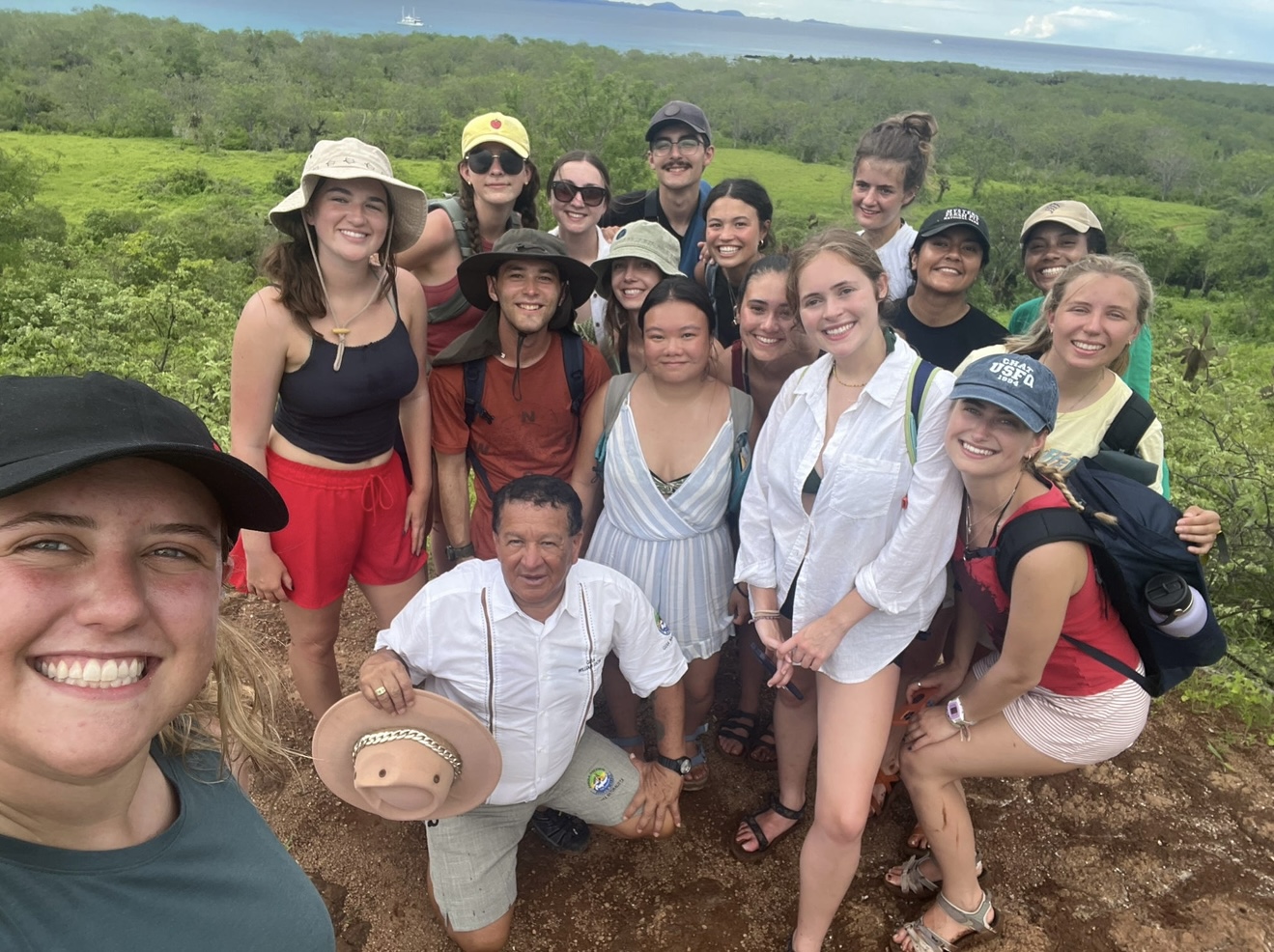
Photo credit: Mesa Rasmussen (Ecuador)
Want more information?
Dive deeper into how courses and credits work on our programs, or connect with an advisor to find the best fit for your goals.
Last updated: