Major Advising Page: Global Health Certificate
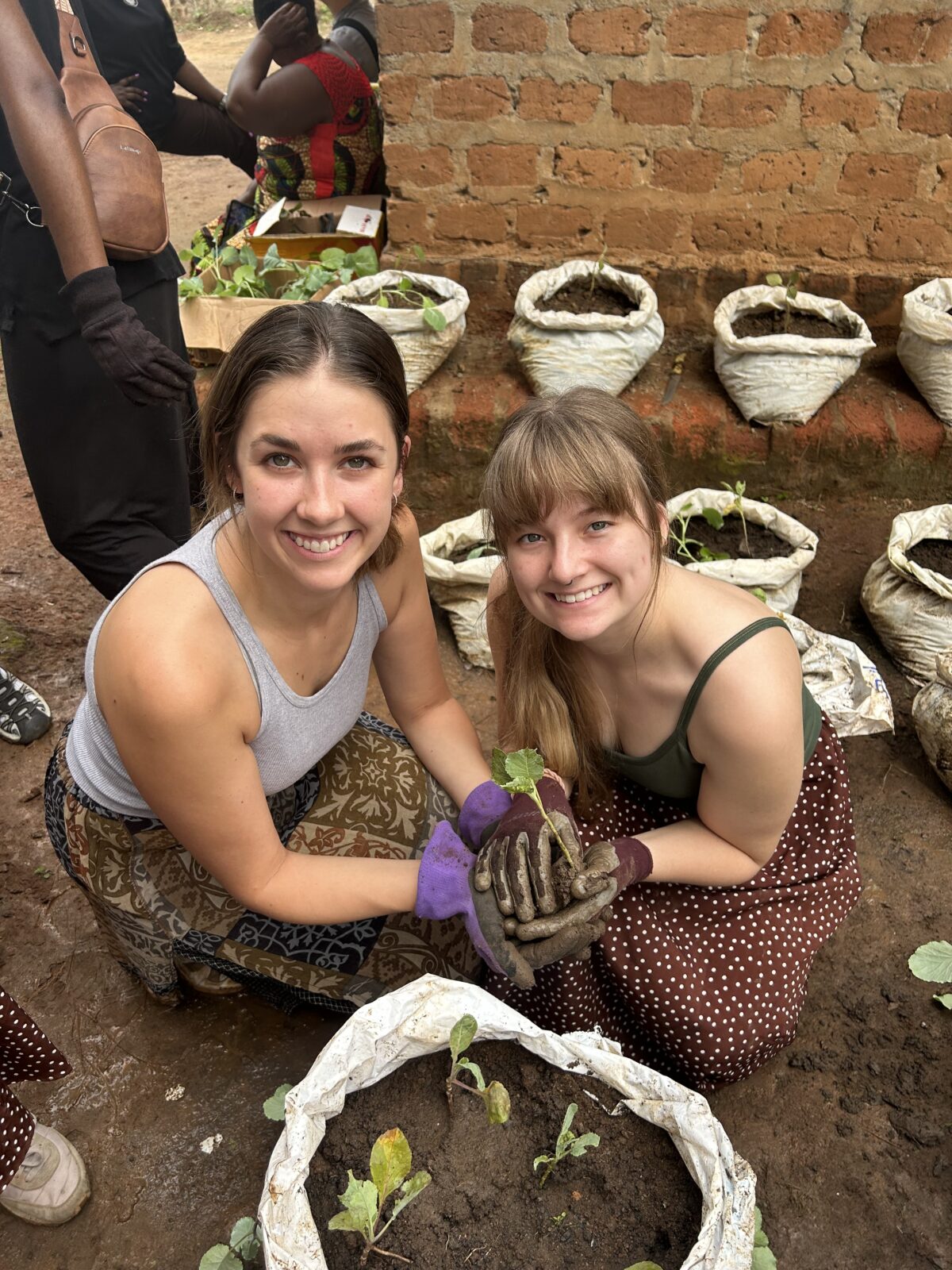
As part of the Undergraduate Global Health Certificate, students are required to participate in a field experience, which can be met through an approved study abroad program or a local course or program. Field experiences are a hallmark of the global health programs at UW–Madison and a unique opportunity for students to explore global health issues outside the classroom, engage with community partners, and learn from experts and practitioners in the field. These high-impact experiences allow you to apply your classroom knowledge, and for most students, stand out as a highlight of their undergraduate education.
Course considerations
We encourage planning 6-9 months in advance to ensure that you find the right program and do not miss any application deadlines. Students can complete a field experience any time before graduation, but we encourage students to complete their field experience before senior year.
Field experiences range from 1 to 4 credits and are educational programs, not volunteer opportunities. With the exception of senior Nursing students in supervised clinical programs, students will not provide medical care to patients as part of their field experience.
There are six categories of field experiences that students can choose from:
- Signature Short-Term Study Abroad Programs: Typically 1-3 week study abroad programs led by UW–Madison faculty and staff and developed specifically for UW–Madison global health students. Students can search and apply for programs here.
- Semester and Summer-length Study Abroad Programs and Courses: Students can explore and apply for semester and summer programs that are approved as a Global Health Field Experience here. Programs with many courses, such as DIS or CIEE, have a specific list of approved field experience courses.
- International Internships: International internships are another way to gain valuable professional experience abroad while earning course credit. While you can often participate in a part-time internship as part of your study abroad program, it is also possible to participate on an Internship-focused program or a UW Signature Internship.
global health certificate students may be able to fulfill their field experience requirement through an international internship - Local Field Experience Courses: Select UW–Madison courses that have a field or community engagement component and cover global health topics. These courses typically do not require an application prior to enrollment.
- Local Internships and Programs: Select local or regional internships and programs with a public health focus and vary in length from a couple of weeks to a full semester. These programs require an application, and accepted students are able to enroll in UW–Madison credit to complete their field experience.
- Independent Field Experiences: Certificate students who have identified their own internship opportunity with a public health focus and/or global health dimensions and wish to have it satisfy their field experience requirement can apply beforehand for approval. Students should consult their advisor and review the criteria before submitting the field experience exception form.
With a range of program locations, topics, and durations, a majority of students in the certificate choose to participate in one of the many international field experiences. The list below contains all the currently approved international field experiences. For a list of local and domestic field experience options, please visit the global health certificate website.
Map your experience as a
global health certificate student student
Global health students can study abroad at any point during their time at UW–Madison, but students are encouraged to complete their field experience requirement before their senior year. Your major and program choice will impact when it might be a good time to go abroad and if you need prior coursework. Students preferring short-term programs that meet the global health certificate field experience requirement, for example, can complete these programs at any time during their career at UW–Madison. All returned students should meet with CALS Career Services to explore how to best convey the international experience to future employers, to graduate schools, and on personal statements.
To start the process of exploring study abroad as part of your global health certificate, you should:
- Meet with your global health advisor to discuss your study abroad priorities and program ideas
- Meet with a study abroad advisor to learn more about programs and ask questions
Prospective students
The Undergraduate Certificate in Global Health is a 15-credit program open to all undergraduate students at the University of Wisconsin–Madison. The curriculum features a set of core courses, a diverse pool of elective options, and a credit-bearing field experience requirement. Students interested in the certificate should consult the Guide page and program website to learn more about the program and how to meet with an advisor.
To gain background information about study abroad and the various programs available, attend the Study Abroad Fair on campus, visit the Program Search, and/or meet with CALS Study Abroad Advisors.
To discuss how studying abroad fits within your career or professional goals in relation to the completion of the global health certificate, please visit the CALS Career Services webpage to schedule an appointment with a CALS Career Advisor.

Ask questions
- What study abroad programs are you familiar with that align with my interests and priorities?
- Are there courses that I should plan on taking here in Madison, and when are these typically offered?
- I’m interested in another program and would like it to meet the field experience requirement. Is there a way for this other program to meet the field experience requirement?
- How do my other goals (summer research experiences, preparing for medical, professional, or graduate school, taking a gap year vs. applying right away) fit in with my coursework and timeline for studying abroad?
- What programs offer the study abroad experience that best fits my needs?
- What are my financial aid and scholarship options for funding study abroad?
- How does the course equivalency process work?
- What are the classes like abroad, and how do they differ from UW–Madison courses?
- What is the application and notification timeline for programs and scholarships?
- What skills do careers related to my major require, and how might participating in a particular program help me gain those skills?
- When would be the best time to participate in a program based on my career goals?
- How will participating in a study abroad, study away, or international internship make me stand out?
- Why do I want to study abroad?
- How long do I want to study abroad for — a few weeks, a semester, a year?
- How does studying abroad fit into my academic, personal, and/or professional goals?
- What career skills or proficiencies will I strive to acquire or enhance on my program?
Discover programs that are right for you
The following are programs that may be of interest to you! Durations and courses vary and may count toward electives or degree requirements. If you do not have specific requirements, there’s more flexibility in program type and location.
These opportunities are not an exhaustive list of all programs.
In this section
Semester and academic year programs
Students participating in the following programs/courses to meet their field experience requirement should consult their advisor about the course equivalency process to ensure the course is correctly counted in their DARS.
Argentina
Botswana
CIEE Community Public Health (semester and summer)
Brazil
Denmark
DIS – Study Abroad in Scandinavia (semester and summer)
Approved courses:
- Bicycle Urbanism (Summer)
- Food, Taste, and Waste (Summer)
- Healthcare Systems: A Comparative Approach (Fall/Spring/Summer)
- Health Delivery and Prioritization (Fall/Spring/Summer)
- Human Health and Disease: A Clinical Approach (Fall/Spring/Summer)
- Human Trafficking in Global Context (Fall/Spring/Summer)
- Sustainable Denmark: Solutions and Dilemmas (Summer)
- Sustainable Development in Northern Europe (Fall/Spring/Summer)
- Sustainable Food: Production and Consumption (Fall/Spring)
- Prostitution and the Sex Trade (Fall/Spring/Summer)
Ecuador
England
IFSA Biosciences and Health Sciences Career Accelerators
Approved course:
- Leadership Development for the Health Sciences Sector
France
India
CFHI Global Health Internships in India (spring and summer)
Italy
CIEE Rome Open Campus (semester and summer)
Approved courses:
- Community and Public Health (fall/spring)
- Comparative Healthcare Systems (fall/spring)
Jordan
SIT Refugees, Health, and Humanitarian Action
Approved course:
- Development, Gender, and Social Change in the Himalaya
Mexico
CFHI Global Health Internships in Mexico (spring and summer)
Nepal
SIT Development, Gender, and Social Change in the Himalaya
Approved course:
- Development, Gender and Social Change in the Himalaya
South Africa
CFHI Global Health Internships in South Africa (spring and summer)
Sweden
DIS – Study Abroad in Scandinavia (semester and summer)
Approved courses:
- Gender, Equality, and Sexuality in Scandinavia (fall/spring/summer)
- Human Trafficking in Global Context (Summer)
- Public Health and Migration: Access, Politics, and Human Rights (Fall/Spring)
- Public Health Policy in Practice (Summer)
- Public Mental Health (Summer)
Switzerland
SIT Global Health and Development Policy (semester and summer)
United States
UW Wisconsin in Washington, DC Internship Program (semester and summer)
Global or public health-related internships in this program may use the associated Poli Sci 402 internship course to meet their field experience requirement. Global health students should consult their advisor about suitability and the approval process. Sample organizations for possible internships include:
- Centers for Disease Control and Prevention
- Center for Strategic and International Studies
- Global Health Council
- Global Health Technologies Coalition
- National Institutes of Health – Fogarty International Center
- RTI International
- Sabin Vaccine Institute
- World Bank
- World Food Programme
- World Health Organization
Short-term programs
Argentina
CIEE Summer Community Public Health (summer)
Botswana
CIEE Community Public Health (semester and summer)
Costa Rica
Denmark
- UW Cancer Care Across Cultures in Denmark (winter intersession)
- DIS – Study Abroad in Scandinavia (semester and summer)
Approved courses:- Bicycle Urbanism (summer)
- Food, Taste, and Waste (summer)
- Healthcare Systems: A Comparative Approach (fall/spring/summer)
- Health Delivery and Prioritization (fall/spring/summer)
- Human Health and Disease: A Clinical Approach (fall/spring/summer)
- Human Trafficking in Global Context (fall/spring/summer)
- Sustainable Denmark: Solutions and Dilemmas (summer)
- Sustainable Development in Northern Europe (fall/spring/summer)
- Prostitution and the Sex Trade (fall/spring/summer)
Ecuador
- Ceiba Conservation Internships (summer)
- Approved Internships:
Community Health & Water Quality & Environmental Education
- Approved Internships:
- Ceiba Water for Life: Sustainability and Community Health in Ecuador (winter intersession)
India
CFHI Global Health Internships in India (spring and summer)
Italy
- CIEE Rome Open Campus (semester and summer)
Approved courses:- Community and Public Health (fall/spring)
- Comparative Healthcare Systems (fall/spring)
- UW Sustainable Food Systems in Italy (summer)
Japan
- UW Food Systems and the Environment in Northern Japan (summer)
- UW Wellbeing and the Art of Forest Bathing in Japan (winter intersession)
Mexico
CFHI Global Health Internships in Mexico (spring and summer)
Philippines
South Africa
CFHI Global Health Internships in South Africa (spring and summer)
Spain
UMN Internships and Spanish Language (summer)
- Approved track: Cross-Cultural Health Internships & Spanish Language
Sri Lanka
UW Global Health Community Health & Asset-Based Community Development in Sri Lanka (winter intersession)
Sweden
DIS – Study Abroad in Scandinavia (semester and summer)
Approved courses:
- Gender, Equality, and Sexuality in Scandinavia (Fall/Spring/Summer)
- Human Trafficking in Global Context (Summer)
- Public Health Policy in Practice (Summer)
- Public Mental Health (Summer)
Switzerland
SIT Global Health and Development Policy (semester and summer)
Tanzania
UW Health, Education, & Tanzanian Culture (summer and winter intersession)
Uganda
- UW Agriculture, Health & Nutrition in Uganda (winter intersession)
- UW Mobile Clinics & Health Care in Uganda (summer)
United States
UW Wisconsin in Washington, DC Internship Program (semester and summer)
Global or public health-related internships in this program may use the associated Poli Sci 402 internship course to meet their field experience requirement. Global health students should consult their advisor about suitability and the approval process. Sample organizations for possible internships include:
- Centers for Disease Control and Prevention
- Center for Strategic and International Studies
- Global Health Council
- Global Health Technologies Coalition
- National Institutes of Health – Fogarty International Center
- RTI International
- Sabin Vaccine Institute
- World Bank
- World Food Programme
- World Health Organization
International Internships and Research
International internships allow you to apply your academic skills to the real world and gain valuable professional experience abroad while earning UW–Madison course credit.
As you consider your academic and professional goals for studying abroad, explore the different internship options, including UW Signature internships, internship-focused programs, part-time internships, or applying for credit for an external internship.
Check with your academic advisor to see if earning credit for your internship abroad can fulfill a major or certificate requirement.
Internships that might be of interest to you include:
Hear from students in your major
Explore student blogs and reflections to see how your peers have connected international experiences to their studies. Discover real stories about the skills, challenges, and professional insights gained through our programs.
Photo credit: Claudia Boehlke (United States)

Want more information?
Dive deeper into how courses and credits work on our programs, or connect with an advisor to find the best fit for your goals.
Last updated: